
Where to invest in Pokémon cards
Tell us the budget. We turn it into a concrete build — sealed boxes, raw cards, graded slabs — picked by live data, not hype: past the launch dip, below their own highs, actually selling, and spread across sets. Every pick comes with its receipts.
1 · How much are you putting in?
2 · Pick a strategy — sealed / raw cards / graded slabs
■ 45% sealed ■ 35% raw ■ 20% graded
3 · Two quick questions
![Mega Evolution Elite Trainer Box [Mega Gardevoir]](https://api.cardprice.com/images/products/644279.jpg?v=4)


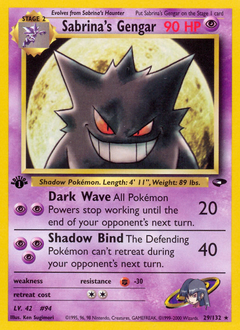
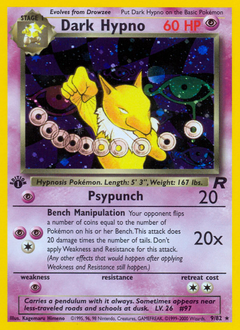
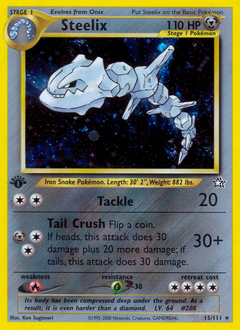
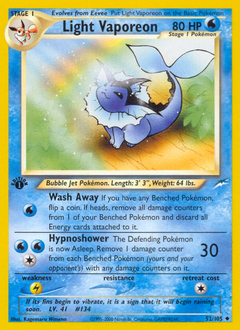
Live prices as of 2026-10-27, from verified marketplace sales. Collectibles are volatile and illiquid compared to traditional assets — this is educational market data, not financial advice. Never put in money you can’t leave parked.
The four rules, honestly applied
1 · Past the launch dip. Nothing fresher than ~4 months. New products almost always get cheaper before they get expensive — we wait out the hype window for you.
2 · Below their own high. We favor products trading meaningfully under their all-time high that have stopped falling — and we skip anything going parabolic.
3 · Actually selling. Every pick clears a minimum of verified sales in the last 90 days. If you ever need out, there are buyers.
4 · Spread out. One pick per set, mixed across product types. No single box should make or break a build.
Prices refresh daily from verified marketplace sales — the same engine behind our price methodology, the market dashboard, and the CardPrice iPhone app. Want the full market picture first? Start with Explore.
Common questions
How does CardPrice pick what to buy?
Four computed rules, applied to live data from millions of verified marketplace sales: (1) past the launch dip — nothing fresh off release, because new products usually get cheaper before they get expensive; (2) priced below their own all-time high, so you are not buying a top; (3) actually selling — a minimum number of real sales in the last 90 days, so you can exit; (4) spread out — at most one pick per set, mixed across sealed, raw, and graded.
Are Pokémon cards a good investment?
Some have outperformed major indexes over long holds; many have gone nowhere. Collectibles are volatile, illiquid, and carry fees on every exit (marketplace cuts, shipping, grading). Treat any card budget as entertainment-adjacent money, diversify across products and sets, and plan to hold years, not weeks. Nothing on this page is financial advice.
Sealed boxes, raw cards, or graded slabs — which is best?
Sealed is the steadiest: the supply only shrinks as boxes get opened, but it needs storage and patience. Raw singles are the most liquid and the easiest to start with. Graded slabs concentrate value and carry the PSA 10 premium, which cuts both ways. Most balanced builds hold all three — that is why the builder lets you set the ratio.
Where do the prices come from?
CardPrice tracks verified sales across major marketplaces daily, filters outliers, and prices every card, printing, and grade from real transactions — the same engine behind our price pages and the CardPrice iPhone app.
CardPrice is a market-data platform, not a financial advisor. Collectible prices can fall as well as rise; past performance never guarantees anything.